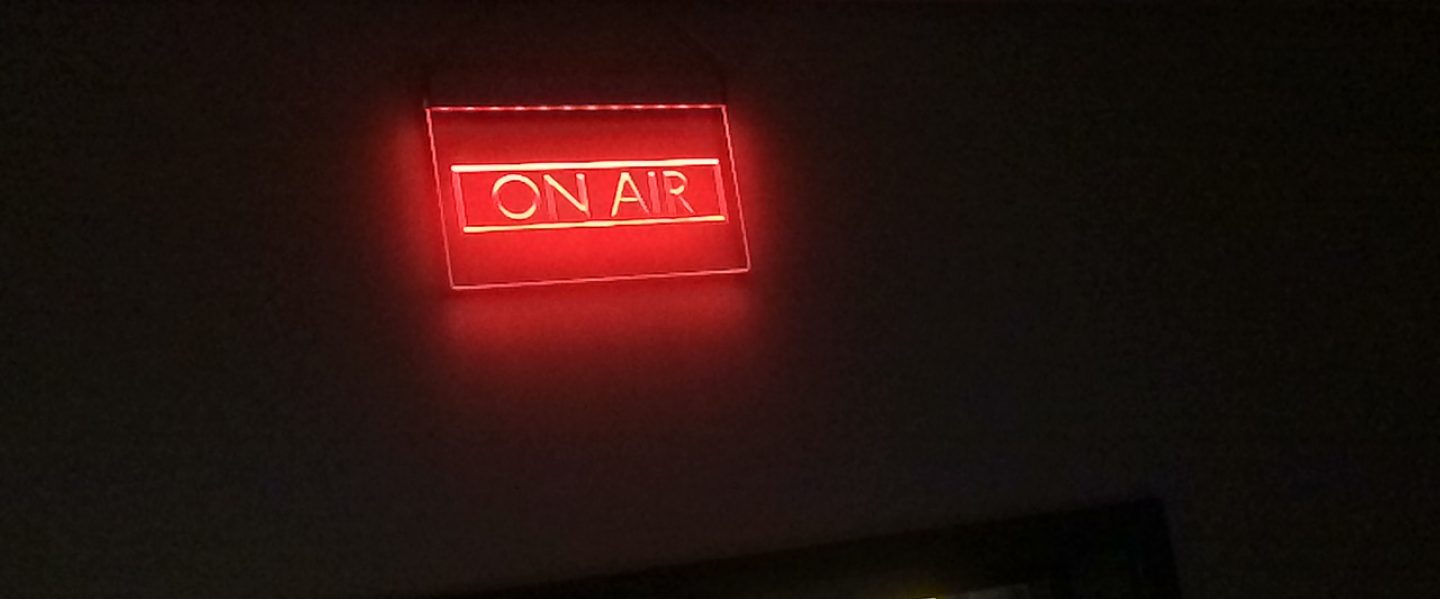

This is about the brave, if slightly challenging, extra work involved in the creative process. It’s the attempt to stop the bots grabbing your work.
It seems that writers, journalists, translators and photographers are suffering. That much is already known. I have experienced it myself, and stopping copyright theft is like herding cats or getting jelly to stick to a wall. The problem is that to defend ourselves we writers and creatives need to take time to do our best to protect our work. It’s not easy.

On the positive side, there is just a little good news to report. The story goes like this. Back in 2024 I discovered that two of my academic books were up on a pirate website designed to be flogged to bot scrapers that were feeding AI algorithms. (Read about it here).
But the good news is the race to rob everyone of every word they’ve ever written might be slowing down.
That’s according to a piece in The Economist dated 31st October 2026. It says,
“In the early stages of training, large language models (LLMs) are usually taught to mimic text on the internet.”
However, it goes on to point out that,
“American developers on the frontier have no more advanced models to distil, and the text on the internet is all but exhausted.”
They’ve run out of stuff to steal. Hurrah.
It is cold comfort, but nice to know that there’s no more books left for the bots to read. But this doesn’t recompense me for the lost royalties after the copyright theft of my books, each of which represents three hundred pages of text and a total of ten year’s work. Five years on each one.

Anyway, I am pleased that the trade magazine, UK Press Gazette is highlighting what it headlines as a “‘Shameless land grab’ [that] sees Meta claim AI rights to all publisher content after 30 October [2026]”. Read the full article here:
https://pressgazette.co.uk/news/facebook-terms-publishers
Meta does clarify what stuff it intends to “grab”, but again I find this all just a little bit chilling and lacking in human warmth. In addition, even though the piece says Meta has removed the word “train”, I’m still mystified by their “spokesman says” quote at the end of the article.
My understanding, limited as it is, is that Meta is potentially re-asserting its rights over everything you and I have ever done, thought, photographed, commented upon, liked, and posted.
So, here’s my reworking of the Meta paragraph, making clear what this website, PreFadeListen and its author, your correspondent, is all about. It’s a copyright declaration.
“I do NOT authorise Meta (or any entity acting on its behalf) to use automated software (such as web scrapers, bots, robots, spiders, crawlers and user agents) and create test credentials to access, index, cache, analyse, collect, retrieve or crawl the domains, web pages or URLs (and any content available through them) that are associated with PreFadeListen‘s products or services, or that are made available through our authors’ or users’ use of PreFadeListen’s products and services, and FORBID any company such as Meta (other social media operators exist, and this denial applies to them as well) to periodically pull updates from such domains, web pages or URLs. Meta may NOT use any content from such domains, web pages or URLs to provide, develop, improve, research, and maintain the integrity of any of the Meta Company Products, services and features provided by it. This is a denial of Commercial Terms and any other applicable supplemental terms that may from time to time be announced by Meta and similar companies.”
In the meantime, the power of creativity inspired by the simple act of listening to the radio as another human speaks through a microphone into the aether is one of the recurring themes of my current book: https://www.bloomsbury.com/uk/radios-legacy-in-popular-culture-9781501388231/ .

Radio’s Legacy is the story of radio’s first 100 years as told through literature, movies pop songs and art. You can get a preview – before you buy – about my methods.
This link takes you to Chapter One – which is available to look at for free online: https://bloomsburycp3.codemantra.com/viewer/61c091c75f150300016f10af
Thank you for reading. Do sign up to receive a new piece every month, around the 14th – just before the BBC’s regular payday for staff and freelancers.
Spotted a typo? I’m only human so, if you do find one, drop me a line in the comment box – and you could win a pen.
